Core Relational Safety & Co-Regulation (Building attunement and empathy)
Seek Co-Regulation & Empathy
Spending time with safe, calming people or animals can literally change your biology. When you are around someone with a relaxed tone of voice, friendly eye contact, and a steady presence, it naturally soothes your own nervous system. Building a shared language around emotional attunement (understanding how to truly support one another) can significantly strengthen interpersonal safety. (Note: Watch Brené Brown’s short animated video on Empathy, linked in the Videos section below, for a clear visual on the vital difference between just feeling sorry for someone and truly connecting with them).
Nurture Safe & Trustworthy Relationships
Actively invest time in mutually supportive connections with romantic partners, close friends, or chosen family members. Focus on relationships where you feel allowed to be your authentic self without fear of judgment, abandonment, or betrayal.
Connect with Animals
Build deep, non-verbal bonds of affection and comfort with pets, therapy animals, or animals in nature. Animal connection bypasses the complication of human words entirely, offering a pure source of nervous system settling and unconditional acceptance.
Boundaries, Autonomy & Authentic Communication (Protecting your energy in relationship)
Set Healthy Boundaries & Autonomy Agreements
Practice the ability to say “no,” protect your time and emotional energy, and step away from draining or disrespectful interactions without guilt. Boundaries are not walls designed to keep people out; they are clear, loving property lines that allow you to engage in relationships safely and sustainably.
Establish Physical Distance Agreements
During calm moments, establish clear, loving protocols with romantic partners or family members where they agree to respect your need to take physical space when you feel overwhelmed. When arguments get heated, being followed from room to room—or having your comfort tools (like a blanket, door, or headphones) blocked—triggers a severe panic response. Agreeing ahead of time that it is okay to walk away and cool down prevents this panic and keeps the relationship safe.
Practice Authentic Communication
Cultivate relationships where you can state your personal needs, boundaries, and feelings directly and plainly, rather than exhausting yourself trying to guess hidden social rules or expectations. Prioritize low-maintenance interactions where you can just be yourself, and give yourself deep compassion for the natural energy cost that comes with socializing.
Navigate Conflict and Interpersonal Repair For those with a history of relational trauma, an argument or misunderstanding can trigger severe panic. You might feel convinced that a single disagreement means the relationship is permanently ruined. Relational healing involves learning that healthy relationships are not conflict-free; rather, their safety is defined by the ability to repair the connection. True intimacy is built when both people can acknowledge a misunderstanding, take accountability without defensiveness, and safely reconnect after a storm. (Please refer to the Couples Repair Communication Handout for a practical guide on navigating conflict and addressing needs effectively, including using gentle startups and taking turns holding space.)
Explore Boundaries Through Movement (The Mirroring Exercise)
Our beliefs about personal space and boundaries are often held in our physical bodies. Working through movement play with a trusted partner or friend provides a low-stakes way to explore physical connection. Sit or stand comfortably across from a trusted partner, holding up your hands and arms in front of you as if gently signaling “hello.” One person initiates a slow, small physical movement with their hands or arms, and the other mirrors that movement as closely as possible. Take turns making subtle changes in speed, distance, or direction, noticing your internal comfort: When did the physical distance feel too close? When did it feel too far? When did it feel “just right”? Afterward, pause to reflect verbally together about what felt fun or uncomfortable, and what this taught you about your personal space.
Relational-Based Therapy & Group Psychotherapy (Healing wounds in relationship)
Heal Through Group Therapy & Connection
Because relational and childhood trauma happens in relationships, it often heals most profoundly through safe relationships. While individual therapy provides a critical 1-on-1 space for personal insight, process groups offer a safe, guided social laboratory where you can experience deep interpersonal connection. (Please refer to A Guide to Process Groups to discover how stepping out of old, familiar ways of behaving and experimenting with new interpersonal behaviors can help you reach your personal goals. Please explore our practice’s specific group therapy information on our group therapy services page.)
Practice in the “Here and Now”
Rather than just talking about outside events, process groups allow you to experientially practice expressing authentic needs, setting healthy boundaries, and navigating conflict in real time—without fear of abandonment.
Experience Shared Humanity
Trauma thrives in secrecy, convincing survivors they are uniquely broken. Sitting in a group allows you to witness others grappling with similar shame and inner critics. This mutual witnessing shatters isolation.
Rewire Past Hurts
Group therapy allows you to bring old relational wounds (such as betrayal or rejection) into the room and receive a completely new, safe, and empathetic response from the group—rewiring how your brain expects others to treat you.
Action-Based Groups (Psychodrama)
For those interested in active movement, some specialized trauma groups use action methods (like role-playing or expressive arts) to help members externalize feelings and act out new, empowering endings to their stories.
Community Belonging & Shared Connection (Expanding into the wider world)
Understand the Challenge of Adult Connection
If you find it difficult to make new friends as an adult, you are not alone—and you are not broken. When we leave school or structured environments, we lose the built-in, forced daily proximity that naturally created childhood friendships. Furthermore, digital overload and busy family demands have eroded modern community spaces. Developing new friendships as an adult requires patience, self-compassion, and transitioning from vague invitations to recurring, structured activities where connection can grow organically over time.
Navigate the “Friendship Recession” (Support for Men)
While adult isolation affects people of all genders, research shows that adult men face unique cultural barriers to building community—a phenomenon known as the “Male Friendship Recession.” While socialization for women often encourages direct “face-to-face” emotional sharing, men are traditionally socialized to bond “side-by-side” through shared activities, teamwork, and tasks. When men leave organized sports or structured workplaces, they often lose the scaffolding that enabled friendship. The antidote to isolation is recurring structure around a shared activity. Many men thrive when joining organizations designed for side-by-side camaraderie without conversational pressure—such as community woodworking shops (Men’s Sheds), hiking groups, intramural sports teams, or dedicated peer support circles.
Find Your People Through Shared Hobbies
For people of all genders, the most reliable, low-pressure gateway to adult community is engaging in a shared hobby. The activity itself provides the “social glue” and removes the pressure of forced conversation. Genuine friendships form organically over time as a byproduct of shared experiences. Consider exploring fiction book clubs, “silent book clubs” (where people read together in quiet companionship), weekend hiking clubs, community gardening collectives, pottery studios, knitting circles, neighborhood potlucks, or tabletop board game nights.
Join Organized Community Spaces
Step outside of isolation by plugging into established, physical community organizations designed specifically for shared purpose, creativity, and connection. Tap into free adult education classes or author talks at local public libraries, find profound purpose by volunteering with local animal shelters or food banks, join recreational, no-cut intramural sports leagues (like softball or pickleball), or join collaborative art studios and makerspaces.
Join Peer Support & Sharing Circles
Join intentional, community-based peer support spaces where people share their real-life challenges and healing journeys without fear of judgment, unsolicited advice, or criticism. Unlike clinical therapy groups, peer sharing circles offer low-barrier support rooted in lived experience and horizontal solidarity.
Connect Across Generations
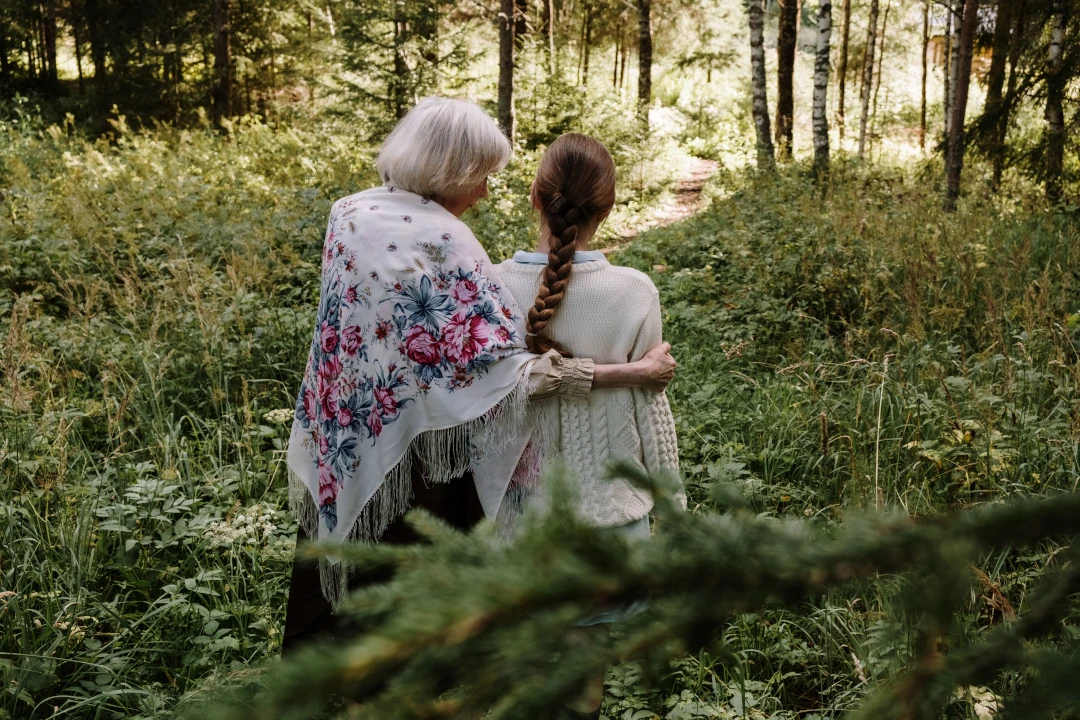
Spending time with diverse age groups is deeply nourishing. You can gain perspective, historical resilience, and mentoring wisdom from older generations, while also enjoying the unselfconscious playfulness, joy, and curiosity of young children.
Educational & Support Footers
Educational Videos & Visual Guides
- Empathy & Emotional Attunement: Brené Brown on Empathy (Child Friendly): An animated breakdown illustrating the vital difference between intellectual sympathy and true emotional empathy.
- Relational Healing & Group Therapy Principles: GROUP PSYCHOTHERAPY – YALOM’s 11 Therapeutic Factors: Dr. Scott Giacomucci breaks down core principles of group healing and interpersonal connection.
- Understanding Adult Isolation & Community: Why many men struggle to maintain deep male friendships later in life: A research-backed PBS NewsHour exploration of the cultural and structural barriers contributing to adult isolation and the importance of structured community (https://www.youtube.com/watch?v=EmWSzWwRUhI).
Support Handouts & Worksheets
- Couples Repair Communication Handout [https://drive.google.com/file/d/1TeGXrzoAY0gGJgIpS7QRKWyl0jJHXfRc/view?usp=drive_link]: A practical strategy guide for navigating conflict and repairing relationships through tools like gentle startups, using “I” language, and holding space for each other.
- A Guide to Process Groups [https://drive.google.com/file/d/1cqr-tj7JCANPvGcHW82pNhK39HSnx8mC/view?usp=drive_link]: Learn what to expect from group therapy, how to engage, and how to use the group environment to deepen self-awareness and relationships.
Guided Audio & Practice Recordings
- Compassionate Mind Foundation Audio Library: Free clinical audio tracks for cultivating soothing rhythms and compassionate relational attunement (https://compassionatemind.co.uk/resource/audio).
Support Apps & Digital Tools
- Meetup: The gold-standard digital platform for discovering local, real-world interest groups. Search by specific hobbies—such as weekend book clubs, hiking groups, knitting circles, photography walks, or mindfulness circles—and join recurring physical gatherings (https://www.meetup.com/ | iOS & Android).
- Bumble BFF: A dedicated, non-dating mode within the Bumble app designed specifically for finding platonic friends and building local social support networks. You can filter by shared interests to find individuals seeking 1-on-1 friendship in your area (https://bumble.com/bff | iOS & Android).
- Strava & AllTrails (Outdoor & Walking Communities): Beyond tracking workouts, platforms like Strava and AllTrails feature active local club directories where walkers, runners, cyclists, and outdoor enthusiasts organize group weekend trail walks and community hikes (https://www.strava.com/ | https://www.alltrails.com/).
- Eventbrite / Facebook Groups / Goodreads: Excellent local discovery engines for finding neighborhood workshops, book club chapters, volunteer park cleanups, hobby guilds, and community gatherings in your immediate town or city (https://www.eventbrite.com/ | https://www.facebook.com/groups/ | https://www.goodreads.com/).
- Discord & Specialized Hobby Forums: For niche interests—whether literature, pottery, woodworking, gaming, or coding—joining moderated online Discord servers or specialized hobby forums provides immediate connection, technical advice, and often leads to regional, in-person member meetups.