
Trauma & PTSD Therapy in Utah
Heal your nervous system and reclaim a sense of safety
When ‘things are fine’ – but your body doesn’t feel safe and your brain remains hypervigilant.
Nothing disorients and dysregulates the mind and body quite like trauma wounds.
Trauma forces the neurobiological system to rewire itself in order to cope with the distress of reality, but this internal adjustment leaves a mark. Sometimes trauma scars are invisible. Despite the internal triggers and chaos, your life may look impressive and relatively ‘intact’ on the outside. You might look like you’re crushing it. You may even be someone everyone else looks up to and admires.
But if you’re operating from a constant state of performance fatigue or find relationships to be draining and/or triggering, then trauma responses may be working double-time behind the scenes, influencing the way you navigate life and relationships.
But here’s the truth about silent, invisible trauma wounds.
If trauma is present, there will always be signs that something is off. You might feel it in the way your body holds tension long after a stressful moment has passed, or in how quickly your mind moves to risk analysis, anticipating crisis before it happens.
But most often, the place where trauma residue hides is in relationships – because even though you might crave the relational comfort, there’s a subtle, often subconscious, unease. A push-pull dynamic. A silent, anticipatory fear that disrupts the connection.

Understanding the reality of trauma
Most people think of trauma as the event itself, but experientially, when we talk about trauma, we’re referring to the aftermath. Trauma encompasses everything that happened as a result of the experience.
- The fragmented memories and flashbacks
- The somatic tension, clenched jaw, or unwanted physical sensations
- The nightmares and intrusive thoughts
- The constant stress and chronic hypervigilance
- The complicated relational dynamics
- The discomfort with connection despite craving closeness
- The coping mechanisms and cognitive distortions
- The wounded sense of self and distorted worldview
In moments when a trauma response is provoked, your nervous system does exactly what it is designed to do. It adapts for survival. From shutting down to fighting back to neurological rewiring, our brains will reorganize every thought and every physical response around the trauma that occurred (or around the safety that didn’t occur), and this is why traumatic experiences often lead to PTSD.
How PTSD works
Our brains are designed to categorize and process events – even deeply distressing, traumatic ones. But sometimes, an event is so disorienting, and the physiological information about the event is so overwhelming that the part of our brain responsible for processing information literally disconnects from the nervous system and temporarily shuts off.
It’s a powerful survival trick, but it comes at a high cost. Because when the brain turns back online, it often struggles to reconnect with the nervous system. As a result, the brain is left with fragmented memories and confusing somatic sensations it doesn’t understand – which can lead to cognitive panic.
Until the brain and body reconnect, and the brain has the opportunity to process, resolve, and integrate the traumatic experience(s), the trauma never fully resolves, and your whole system remains on high alert and hypervigilant toward threat perception and protection.

Why trauma lives on – even after the moment has passed
Time can heal many wounds, but far too often, trauma refuses to stay in the past. Past trauma wounds (especially relational ones) will relentlessly show up in the present – in your body, your reactions, your relationships, your perceptions, your thoughts, and even in your dreams.
For many people, the underlying experience of trauma and PTSD can be distilled down to two core states:
A lack of safety, and a lack of power.
These two lived experiences cause an intense reaction, and the nervous system – committed to doing what it must to protect you – creates defensive patterns to help you cope and survive. The difficulty is that survival response patterns continue to persist long after they are needed. Until the trauma is resolved through intervention and integration, traumatized coping mechanisms remain firmly in place.
How to know if you have unresolved trauma:
Signs your body and mind are coping with unresolved trauma include:
- A constant sense of being ‘on edge,’ even in safe environments
- Feeling unable to relax or having difficulty ‘turning your brain off’
- Strong emotional outbursts that feel disproportionate to the situation
- Extensive or routine periods of numbness, disconnection, or dissociation
- Difficulty trusting others or feeling fully at ease in social situations
- Feeling lonely and craving connection but opting for isolation because it feels safer
- Avoiding certain situations, conversations, triggers, interactions, or certain forms of closeness
- A sense of being stuck in patterns despite having awareness
- A felt need to compensate for the unease you feel with performance

Why ‘awareness’ isn’t enough to heal trauma
Awareness is a crucial first step. We can’t heal something we aren’t aware of and can’t even name. But knowing why/how you’re hurt and experiencing healing are two completely different things. In other words…
Awareness does not equal healing.
Insights do not equal integration.
Knowledge does not equal freedom.
If you’ve already dedicated time to introspection and have tried to ‘do the work’ to understand yourself and grow in self-awareness, then your commitment to self-exploration is a vital component of the healing process. It takes massive courage to explore your lived experiences with curiosity and compassion, and none of that self-awareness will go to waste. Armed with those insights, the next stage of healing is application and integration.
Full embodied healing requires application and integration.
If you’ve already attended therapy and have a fairly good understanding of why you feel and respond to certain situations the way you do, but the patterns are still remaining… then deeper trauma work may be needed to fully resolve the internal tension and create space for healing.
For individuals with PTSD and Complex PTSD, it’s not a matter of moving on, letting it go, or naming the source of the trauma. Healing occurs when we learn how to safely connect with the unresolved pain, find out what is needed for resolution, and then move toward that resolve in a way that brings about deep relief and transformative growth.
It’s a vulnerable process that can trigger intense psychological reactions, which is why having the support of a compassionate, grounded trauma-informed therapist can be instrumental to long-term recovery.
The relational impact of trauma & PTSD
Regardless of how the trauma occurred, trauma almost always impacts relationships. If you’ve experienced trauma, you may notice a tendency to:
- Hold back parts of yourself in order to maintain connection
- Become hyper-aware of others’ reactions or subtle mood shifts
- Feel conflicting desires for relational closeness and needing distance
- React strongly to perceived rejection, even when it’s ambiguous or unintended
These patterns are far from random. These protective response patterns reflect lessons learned (often early on) that connections can be unpredictable, overwhelming, or unsafe.


When to seek professional support
Sometimes clients come to us in a season of severe emotional dysregulation and crisis, but that’s not always the case. Many people who pursue trauma therapy are fully capable, thoughtful, and functioning – but they’re exhausted from the silent inner battle. They’re aware that unresolved trauma is behind the scenes and limiting their emotional capacity to experience joy, healing, and connection.
While there is no single threshold that determines when therapy or professional intervention is ‘necessary,’ trauma-informed therapy often becomes relevant when you notice that:
- Your responses, reactions, and thought patterns feel beyond your control
- Your past continues to ‘show up’ and shape your present reality in limiting ways
- Your ability to navigate life, work, and relationships is severely impacted
- You spend significant energy managing your internal state
- Your symptoms are severe and persistent
- You sense there are deeper wounds ready for resolution
Trauma therapy – A specialized approach
Traditional talk therapy is excellent for psychoeducation, awareness, and cognitive processing, but for those with PTSD, C-PTSD, or trauma wounds, standard counseling is often not enough to facilitate the therapeutic integration necessary for long term relief.
Trauma therapy is designed to go much deeper than traditional talk therapy and move beyond surface-level cognition into full, embodied integration and healing. If you’ve tried therapy and didn’t get the relief you were hoping for, experiential trauma-informed psychotherapy with a specialized clinician may be the next right step.
Trauma-informed psychotherapy looks like…
- Regulating the nervous system and neutralizing trauma responses in real time
- Exploring and renegotiating the body’s stored patterns of activation or shutdown
- Examining the relational dynamics that emerge as a result of the trauma
- Reclaiming and integrating the parts of you that developed in response to past experiences
- Reframing the cognitive distortions and disruptions caused by trauma using experiential modalities
As trauma-informed, integrative psychologists (PhD), our style is highly experiential and grounded in a mindful-somatic approach which draws from proven and well-established frameworks such as attachment-based and polyvagal-informed psychotherapy.
The depth of our experience as psychologists allows us to work within the structure of established frameworks while remaining flexible enough to meet the complexity of your specific experience. Meaning, our work will be intentional, structured, and supportive – but never rigid.

Rising from the ashes
Trauma can leave you feeling empty and defeated, but the human spirit is borderline mythic. There is no limit to how much and how deeply you can heal, so please don’t believe the lie that ‘you’ll always feel this way.’ Or that ‘relationships will always be triggering.’ It’s simply not true. Your capacity to experience joy and ability to relax are still there. You’re still intact. You’re not broken; you’re hurt.
The process of working through PTSD and healing from trauma can feel like a death and rebirth – like a phoenix rising from the ashes. It requires curiosity, compassion, and courage.
There is good reason to hope
Real, evidence-based help is available. The world of psychotherapy has come a long way, and we have proven techniques to help traumatized individuals come out of survival mode and rise from the ashes with post-traumatic wisdom. Trauma therapy can’t go back in time and change the past, but it can be a powerful step forward to reclaiming your potential, your future, and your peace.
Taking the next step
If any of this is resonating with you, then an easy, completely free next step is to take our complimentary mental health screening, which offers a structured, trauma-informed way to reflect on what you’re experiencing and gauge where you’re at in the healing process.
Please note, this is not a pre-programmed mental health assessment test where you receive an automated score. Instead, you’ll receive a personalized response from one of our doctor-level practitioners with clear, clinical insight into what your patterns may indicate.
Alternatively, if you’re ready for a more direct approach, we invite you to explore our therapy services and/or schedule a complimentary, 15-minute discovery consultation at the link below. We work with individual adults and groups and offer virtual psychotherapy for clients in Utah.
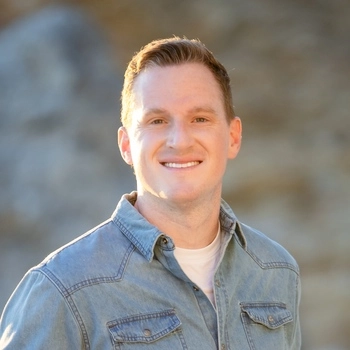
About Adam McDonald, PhD
Dr. Adam McDonald is a Licensed Psychologist who utilizes an experiential, trauma-focused, highly integrative, mindful-somatic approach to help people move from managing symptoms to resolving what’s underneath them. He understands that true healing requires integrating the mind and body, allowing the nervous system to return to a state of safety and connection. Deeply attuned to the realities of suffering and healing, Adam views himself as a fellow traveler in the therapeutic process. Learn more about him and discover his approach here.